



You've finished a tough workout, pushed yourself a little harder than usual, and you're feeling pretty good about the work you put in.
But then the next day rolls around ... and suddenly, walking up the stairs, sitting down, or even getting out of bed feels like a workout of its own.
Sound familiar?
Whether you're lifting weights, running, playing sports, or simply trying to stay active, muscle recovery plays an important role in how you feel, perform, and continue making progress toward your goals.
And while putting in the work during your workouts is important, what you do afterward matters just as much.
The good news? Improving your muscle recovery doesn't have to involve complicated routines or expensive equipment.
With a few simple adjustments to your everyday habits, you can give your body the support it needs to recover and prepare for your next workout.
Let's break down 5 simple tips for better muscle recovery that you can start using today!
Why Is Muscle Recovery Important?
When you exercise, especially during strength training or challenging workouts, you place stress on your muscles.
Your body responds by repairing and adapting to that stress, helping your muscles become stronger and better prepared for future workouts.
But that process requires proper nutrition, hydration, sleep, and time to recover.
When you consistently overlook recovery, you can find yourself dealing with:
-
Muscle soreness that makes everyday activities uncomfortable.
-
Lingering fatigue between workouts.
-
Difficulty maintaining your usual workout performance.
-
Slower progress toward your strength and fitness goals.
-
Less motivation to stay consistent with your routine.
The goal isn't to eliminate every bit of soreness. It's to give your body what it needs to recover so you can keep showing up and making progress.
Here's how to make that happen.
1. Stay Hydrated Throughout the Day
When you think about muscle recovery, protein is probably one of the first things that comes to mind.
But hydration deserves just as much attention.
Your muscles rely on proper hydration to function, and throughout the day, your body naturally loses fluids through sweating, breathing, and other normal bodily functions.
When you exercise, especially during intense workouts or in warmer environments, those fluid losses increase.
Staying hydrated helps support normal muscle function, regulate body temperature, and replace fluids lost during exercise.
And the best part? You don't need to overcomplicate it.
Simple Ways to Stay Hydrated
-
Start your morning with a glass of water.
-
Keep a water bottle nearby throughout the day.
-
Drink water before, during, and after your workouts.
-
Increase your fluid intake when you're sweating more than usual.
-
Pay attention to signs of dehydration, like increased thirst or darker urine.
For most everyday workouts, water is a great place to start.
However, if you're completing longer workouts, training in the heat, or sweating heavily, electrolytes can help replace important minerals like sodium and potassium that your body loses through sweat.
This is where an electrolyte supplement can be a convenient addition to your routine.
And remember, hydration isn't just something to focus on while you're working out.
Building a consistent hydration routine throughout the entire day helps your body stay prepared for whatever your schedule throws your way.
2. Prioritize Quality Sleep
Between work, family, workouts, and everything else going on in your life, getting enough sleep isn't always easy.
But if you're consistently cutting your sleep short, you could be overlooking one of the most important parts of muscle recovery.
While you sleep, your body goes through processes that help repair tissues, regulate hormones, and support your overall health.
Getting enough quality sleep also helps support your energy levels, concentration, and workout performance.
And when you're not getting enough sleep, it can become harder to feel recovered and ready for your next workout.
How Much Sleep Should You Get?
For most adults, aiming for at least 7 hours of quality sleep each night is a good starting point.
But getting enough sleep isn't just about how many hours you spend in bed.
Building a consistent sleep routine can also help improve your overall sleep quality.
Simple Ways to Improve Your Sleep
-
Try to go to bed and wake up around the same time each day.
-
Keep your bedroom cool, dark, and comfortable.
-
Limit screen time before bed.
-
Avoid consuming caffeine too close to bedtime.
-
Give yourself time to relax and wind down before going to sleep.
And if your evenings are usually packed, start with something small.
For example, try getting ready for bed 20–30 minutes earlier or creating a consistent routine that helps you wind down at night.
You don't need to change everything overnight.
Sometimes, one of the best things you can do for tomorrow's workout is get a better night's sleep tonight.
3. Adjust Your Training Based on How You Feel
Staying consistent with your workouts is important.
But that doesn't mean every workout needs to be your hardest.
Some days, you'll walk into the gym feeling energized, motivated, and ready to push yourself.
Other days, you might be feeling more tired, sore, or fatigued than usual.
And that's completely normal.
Learning when to push yourself and when to adjust your training can help you maintain consistency without putting unnecessary stress on your body.
That doesn't necessarily mean skipping your workout, either.
How Can You Adjust Your Training?
Let's say you had a challenging leg workout yesterday.
If your legs are still feeling sore or fatigued today, you could focus on training your upper body instead.
Or, if you're feeling more tired than usual, you could make a few simple adjustments:
-
Reduce the weight you're lifting.
-
Lower the intensity of your workout.
-
Focus on a different muscle group.
-
Spend more time working on mobility.
-
Take an easier training day when needed.
The key is finding the right balance between challenging yourself and giving your body the opportunity to recover.
And remember, muscle soreness isn't always an indication of how effective your workout was.
You don't need to feel extremely sore after every workout to build muscle, get stronger, or make progress.
Pay attention to how you're feeling, how you're performing, and whether you're continuing to move toward your goals.
4. Keep Your Body Moving Outside of Your Workouts
Muscle recovery isn't limited to what happens in the gym.
What you do throughout the rest of your day can also influence how your body feels.
And while rest is important, that doesn't mean you need to spend all your free time sitting on the couch.
In fact, light movement can help ease feelings of muscle stiffness and soreness, especially after challenging workouts.
The key is keeping things comfortable and avoiding activities that leave you feeling even more fatigued.
Easy Ways to Stay Active Throughout the Day
You don't have to turn every activity into another workout.
Try incorporating a few simple activities into your routine:
-
Take a comfortable 15–20 minute walk.
-
Spend 5–10 minutes stretching or working on mobility.
-
Go for an easy bike ride.
-
Get up and move around periodically if you sit for long stretches.
-
Take a short walk after lunch or dinner.
For example, if you spend most of your workday sitting at a desk, getting up to walk around every so often can be a simple way to loosen up and stay active.
And if you're feeling sore from a challenging workout, a comfortable walk might help you feel less stiff.
The goal isn't to burn more calories or squeeze in another intense workout. It's simply to keep your body moving in a way that feels good.
Of course, if you're especially fatigued or need additional rest, there's nothing wrong with taking it easy.
5. Fuel Your Body With Protein & Carbohydrates
You can have a great workout routine, stay hydrated, and get plenty of sleep.
But if you're not giving your body the nutrition it needs, you're overlooking another important part of muscle recovery.
And while protein usually gets most of the attention, carbohydrates are important, too.
Protein provides the amino acids your muscles need to repair and rebuild after exercise, while carbohydrates help replenish the energy your body uses during workouts.
Together, they help give your body the nutrients it needs to recover and prepare for what's next.
Why Is Protein Important for Recovery?
When you exercise, especially during resistance training, your muscles experience stress that stimulates the body's natural repair and rebuilding process.
Protein provides the building blocks your body uses to support that process.
Getting enough protein throughout the day helps support muscle repair, maintenance, and growth.
And you don't have to rely on protein shakes alone.
Foods like chicken, eggs, lean beef, Greek yogurt, fish, and other protein-rich options can all help you meet your daily protein needs.
However, protein powder can be a convenient way to get extra protein when your schedule makes preparing a full meal difficult.
Why Are Carbohydrates Important?
During exercise, your muscles use stored carbohydrates, known as glycogen, for energy.
After challenging workouts, replenishing those energy stores helps prepare your body for future activity.
This becomes particularly important if you're training frequently, completing longer workouts, or exercising multiple times throughout the day.
That's why combining protein and carbohydrates after exercise can be a simple way to support your recovery.
Easy Post-Workout Meals & Snacks
You don't need to prepare a complicated meal after every workout.
Here are a few simple options:
-
Chicken, rice, and vegetables.
-
Greek yogurt with fruit and granola.
-
Eggs and whole-grain toast.
-
A protein shake with a banana.
-
Turkey and cheese on whole-grain bread.
-
Oatmeal mixed with protein powder and your favorite fruit.
For example, if you're heading straight from the gym to work or have errands to run before dinner, a protein shake and a banana can be an easy option when you're short on time.
And don't feel like you need to rush to eat the second your workout ends.
Consistently getting enough protein, carbohydrates, and overall nutrition throughout the day matters more than stressing over the exact minute you eat your post-workout meal.
The goal is to build eating habits that support your activity level, recovery, and long-term fitness goals.
How Long Does Muscle Recovery Take?
One of the most common questions people have is how long their muscles actually need to recover after exercise.
And the answer depends on several factors.
Your training experience, workout intensity, nutrition, sleep, and overall fitness level all influence how your body responds.
For example, a lighter workout might leave you feeling ready to go again the next day.
A challenging leg workout, on the other hand, could leave you feeling sore for a couple of days, especially if you're trying new exercises or increasing the intensity of your training.
Muscle soreness commonly becomes noticeable several hours after a challenging workout and can peak around 24–48 hours later.
But here's something important to remember.
Feeling sore doesn't automatically mean you had a better workout, and not feeling sore doesn't mean your workout wasn't effective.
Instead of using soreness as your only way to measure progress, pay attention to your workout performance, strength, energy levels, and overall consistency.
If you're experiencing severe pain, significant swelling, unusual weakness, or dark urine after exercise, seek medical attention rather than treating those symptoms as normal soreness.
Better Muscle Recovery Starts With Better Daily Habits
Getting more out of your workouts isn't always about training harder or spending more time in the gym.
Sometimes, it's about giving your body the support it needs between workouts.
Staying hydrated, prioritizing sleep, managing your training intensity, moving throughout the day, and fueling your body with proper nutrition all play important roles in muscle recovery.
And the best part?
You don't have to change everything about your routine overnight.
Start by focusing on one or two habits you can realistically stick with, and build from there.
Over time, those small changes can help you build a more consistent routine that supports your health, fitness, and performance goals.
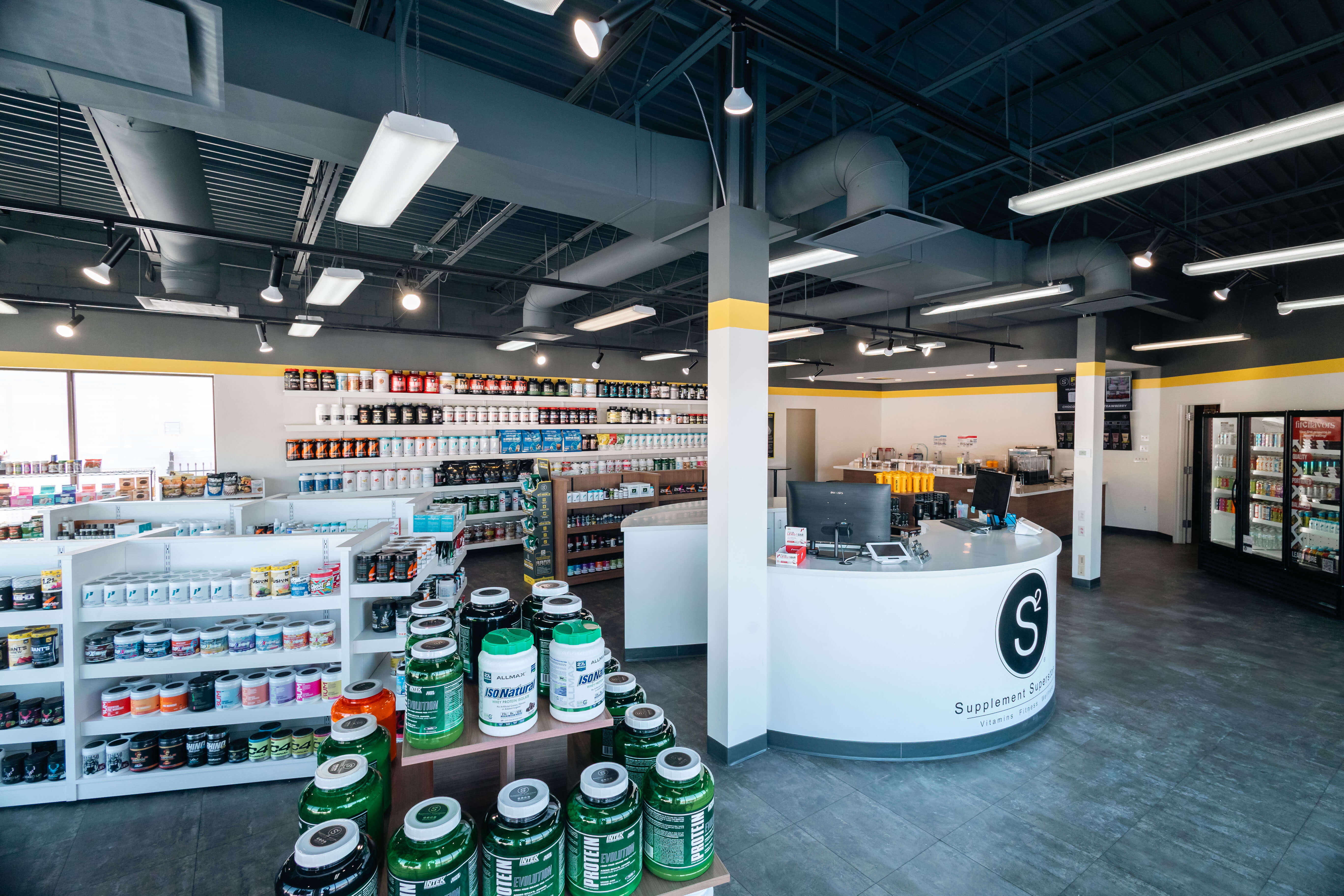
And whether you're looking for a quality protein powder, electrolytes, or supplements to complement your routine, our team at Supplement Superstores is here to help you find the right options for your individual needs and goals.
Find your closest S2 location or explore our website to see how we can help support your routine!


