



Whether you're trying to lose weight, improve your endurance, or simply get more out of your workouts ... you've probably wondered which exercises actually burn the most calories.
After all, if you're making time in your day to exercise, you want to know that what you're doing is helping you get closer to your goals.
But with so many different workouts to choose from, it can be difficult to know which ones are the most effective.
The good news? You don't have to spend hours in the gym to get in a great workout.
Certain exercises can help you burn more calories in a shorter amount of time, and some of the best options don't require much equipment at all.
Let's break down which exercises burn the most calories, what makes them effective, and how to start incorporating them into your routine.
What Determines How Many Calories You Burn During Exercise?
Before getting into specific exercises, it's important to understand that everyone burns calories differently.
Several factors influence how much energy your body uses during a workout, including:
-
Your body weight: Generally, someone who weighs more will burn more calories performing the same activity at the same intensity.
-
Workout intensity: The harder your body works, the more energy it typically uses.
-
Exercise duration: The longer you're active, the more calories you'll generally burn.
-
Your fitness level: Your conditioning and how efficiently your body performs certain movements can influence your calorie expenditure.
For example, running generally burns more calories than walking when both activities are performed for the same amount of time.
But that doesn't necessarily mean running is the better exercise for everyone.
The most effective workout is one that supports your goals, matches your fitness level, and is something you can consistently work into your routine.
7 Exercises That Burn The Most Calories
If you're looking to increase your calorie burn, here are seven exercises worth considering.
1. Running
Running is one of the most effective ways to burn calories because it requires your body to continuously work while supporting and moving your body weight.
The faster you run, the more energy your body generally needs to keep up with the movement.
It's also a great way to improve your cardiovascular endurance.
How to get started: If you're new to running, try alternating between jogging and walking. As your endurance improves, gradually increase the amount of time you spend running.
2. Jumping Rope
Something as simple as a jump rope can give you a surprisingly demanding workout.
Jumping rope gets your heart rate up quickly while working your calves and other lower-body muscles.
It also helps improve coordination and cardiovascular endurance.
How to get started: Try jumping for 30 seconds, followed by a short rest. Repeat for several rounds, gradually increasing your jumping time as you improve.
3. Cycling
Whether you're riding outdoors or using a stationary bike, cycling is another great way to burn calories.
It works large muscles in your lower body while challenging your cardiovascular endurance.
And because cycling is generally lower-impact than running, it can be a great option if you're looking for something easier on your joints.
How to get started: Start riding at a comfortable pace. Once you've warmed up, alternate between periods of faster pedaling and easier riding.
4. Swimming
Swimming is an excellent option if you're looking for a workout that engages muscles throughout your body.
Your arms, legs, core, and back all contribute to moving you through the water.
And since the water supports your body weight, swimming provides a lower-impact way to challenge your cardiovascular fitness.
How to get started: Begin by swimming a few laps at a comfortable pace. Take breaks as needed and gradually increase your distance as your endurance improves.
5. Rowing
Rowing is a great option for anyone looking to combine cardiovascular exercise with full-body movement.
Unlike exercises that primarily target your lower body, rowing engages your legs, back, core, and arms.
The combination of these muscle groups makes rowing an effective way to increase your energy expenditure.
How to get started: Begin with a comfortable rowing pace, focusing on proper technique. As you become more comfortable, gradually increase your pace or resistance.
6. Stair Climbing
If you've ever walked up several flights of stairs, you already know how quickly this exercise can get your heart rate up.
Stair climbing challenges large muscles in your lower body, including your glutes, quadriceps, and hamstrings.
And because you're repeatedly lifting your body weight against gravity, it can be a demanding cardiovascular workout.
How to get started: Try using a stair-climbing machine at a manageable pace. As your conditioning improves, gradually increase your speed or workout duration.
7. Strength Training
Strength training might not always burn as many calories during a workout as high-intensity cardio, but it still plays an important role in your overall fitness.
Exercises like squats, lunges, rows, and presses engage multiple muscle groups while helping you build and maintain muscle.
Maintaining muscle is particularly important if your goal is to lose body fat while improving your overall strength.
How to get started: Focus on exercises that work several muscle groups. Choose weights you can control with proper form and gradually increase the difficulty as you get stronger.
Does Walking Burn Enough Calories To Make A Difference?
Absolutely!
Walking might not burn as many calories per minute as running or jumping rope, but it's one of the easiest ways to increase your daily activity.
And one of the best things about walking is that you can fit it into almost any schedule.
Whether you're taking a walk around your neighborhood, getting some movement during your lunch break, or walking on a treadmill ... it all contributes to your overall activity level.
And those shorter walks throughout the day can really add up.
If you're looking to increase the intensity, try walking at a faster pace or adding an incline.
The important thing is finding a pace and duration that works for you.
Is Cardio Or Strength Training Better For Burning Calories?
This is a common question, especially for people trying to lose weight.
And the answer is that both have their benefits.
Cardio exercises, like running, cycling, and swimming, typically burn more calories during a workout when performed at higher intensities.
They also help improve cardiovascular fitness and endurance.
Strength training, on the other hand, helps you build and maintain muscle while improving your overall strength.
And maintaining muscle is especially valuable when you're trying to lose body fat.
Rather than focusing exclusively on one or the other, combining cardio and strength training can help you build a more balanced fitness routine.
How To Burn More Calories Without Spending More Time Working Out
You don't necessarily need to make your workouts longer to increase the number of calories you burn.
A few small changes can help make your existing routine more demanding.
1. Gradually Increase Your Intensity
Whether you're walking, running, cycling, or swimming, increasing your intensity can increase how much energy your body uses.
Try walking a little faster, adding resistance to your stationary bike, or increasing the incline on your treadmill.
2. Incorporate Intervals
Instead of maintaining the same pace throughout your entire workout, alternate between periods of higher and lower intensity.
For example, during a bike ride, you could pedal faster for a short period before returning to a comfortable pace.
This gives you an opportunity to increase the intensity without maintaining that harder pace for your entire workout.
3. Move More Throughout The Day
Your workouts aren't the only opportunities you have to burn calories.
Taking the stairs, walking during breaks, and finding opportunities to be more active throughout the day can all increase your overall movement.
And these small habits can make a difference when you practice them consistently.
4. Find A Routine You Can Maintain
You don't have to push yourself to your limits every time you exercise.
Some days might involve a challenging workout, while others could be as simple as taking a walk or going for an easy bike ride.
Finding a balance that allows you to stay active and recover is important for making progress over time.
Don't Forget About Nutrition And Recovery
Burning calories during your workouts is only one part of reaching your health and fitness goals.
What you do outside the gym matters, too.
If your goal is to lose weight, your overall calorie intake, activity level, and consistency all play important roles.
And regardless of which exercises you choose, supporting your body with proper nutrition and recovery is important.
Here are a few things to focus on:
-
Protein: Helps support muscle repair, recovery, and growth when combined with regular exercise.
-
Hydration: Helps support normal muscle function and physical performance, especially when you're sweating.
-
Carbohydrates: Provide an important source of energy to help fuel your workouts.
-
Sleep: Gives your body time to recover so you can continue showing up for your workouts.
Supplements such as protein powder, electrolytes, and creatine can also help support specific parts of your fitness routine.
But remember, supplements work best alongside consistent exercise, balanced nutrition, and proper recovery.
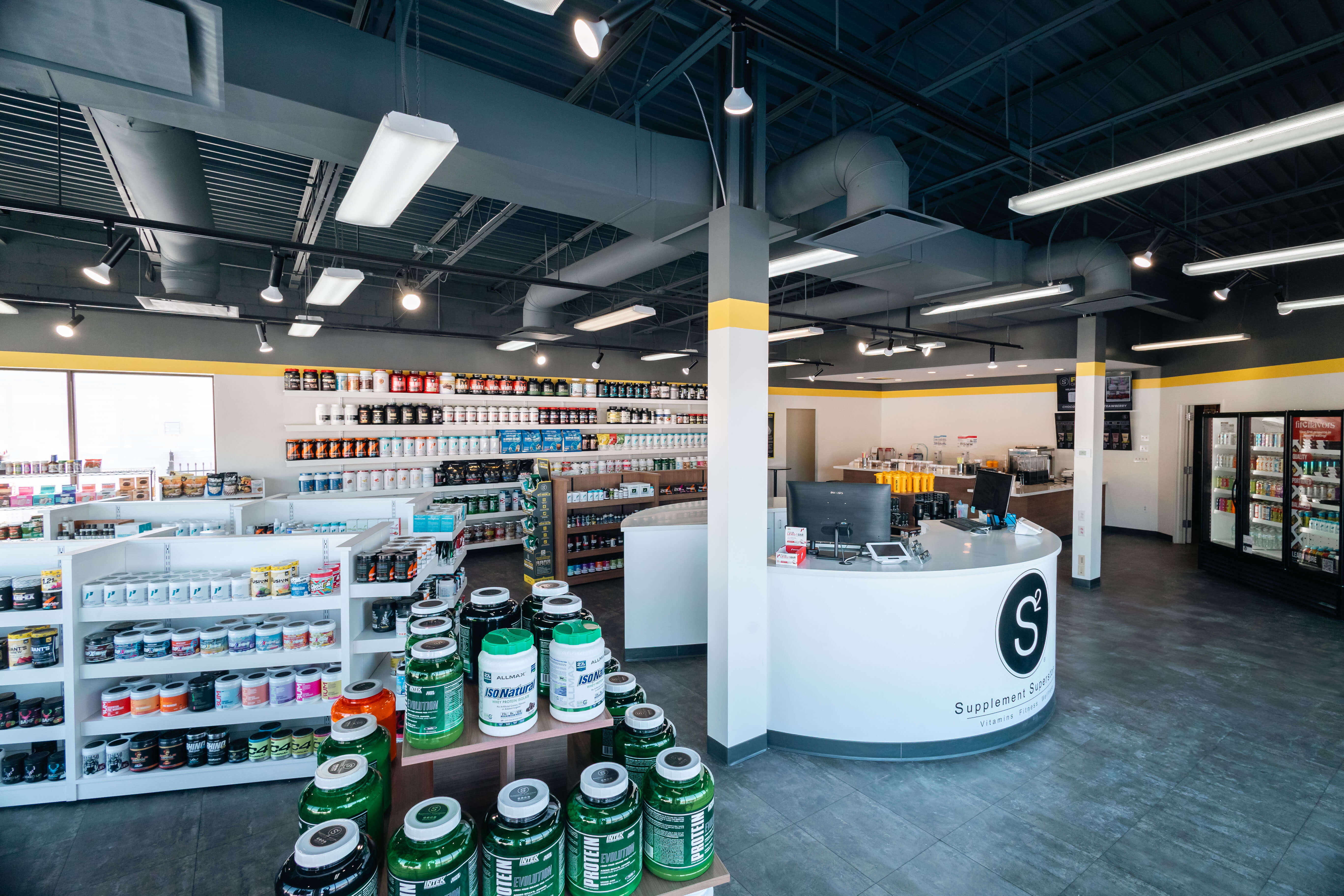
And at Supplement Superstores, we're here to help you find supplements that support your specific needs and goals.
So, Which Exercise Should You Choose?
If you're looking for exercises that generally burn more calories in less time, running, jumping rope, cycling, and swimming at higher intensities are all great options.
But that doesn't mean you need to start with the most demanding workout.
If you're just getting started, walking can be a great way to increase your activity level.
And if building or maintaining muscle is part of your goals, strength training deserves a place in your routine, too.
At the end of the day, the best exercise is one that you enjoy, supports your goals, and keeps you coming back consistently.
Start with what works for you, gradually build on your progress, and remember that every workout is an opportunity to move closer to your goals.
And if you're looking for supplements to help support your workouts and recovery, stop by your local Supplement Superstores. Our team is here to help you find the right products for your needs.


